
I spent yesterday at RenderATL, where the South's best engineers, builders, and technology leaders come to build what's next. The vibe was very different from the conferences I am used to – music and t-shirts and sneakers. And a good amount of the technical vocabulary sailed directly over my public-health-professional head.
But what surprised me was how familiar so many of the conversations felt.
Public health has been grappling with AI from every direction. What can it actually do? What should we trust it to do? How do we use it responsibly? Where does human judgment fit when a machine can produce in seconds something that used to take us hours?
It turns out the developers, engineers, and artists are asking many of the same questions.
Justin Samuels, founder and CEO of RenderATL, offered one way of thinking about it: AI is like a calculator. A calculator did not eliminate mathematics. It let us do more math, faster, without spending as much time on calculations a tool could reliably handle.
Killer Mike offered another analogy. He talked about the introduction of the sampler in music. At a time when arts and music programs were being cut and many kids did not have easy access to instruments, samplers suddenly put sounds and instruments at their fingertips. Some people argued that what they were making was not really music, but we know now how much that technology ultimately changed and expanded music.
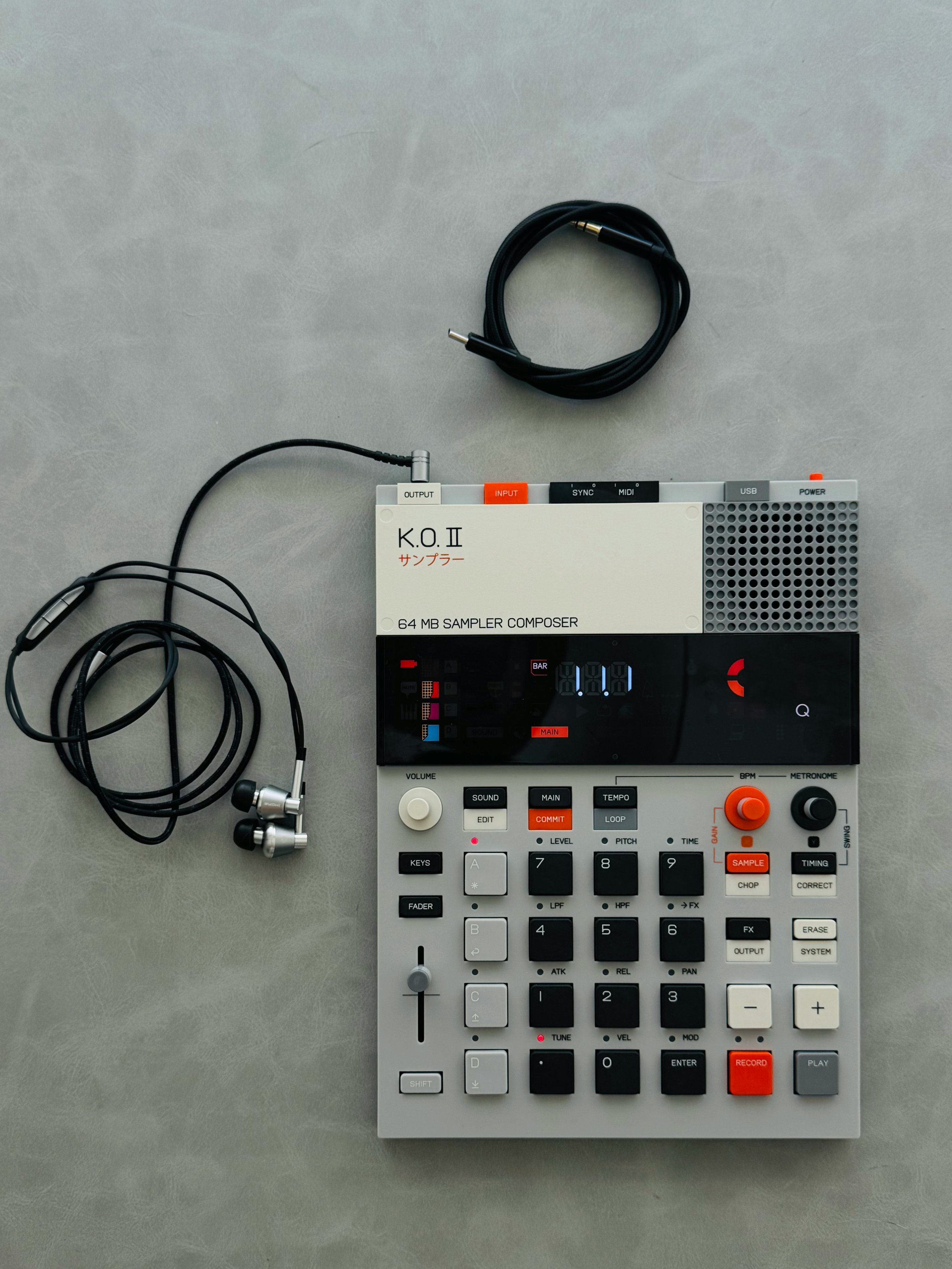
His point was not that we should hand creativity over to technology. A tool can expand what is possible when people know how to use it without becoming dependent on it.
Then he said something I wrote down immediately:
“AI does not have soul. That human audacity.”
I loved that framing because AI can generate, synthesize, calculate, draft, code, organize, remix, and suggest. What it cannot do is care whether what it creates should exist. It does not understand the community that may have to live with the consequences of a decision, or know when something can be technically accurate and still feel wrong. It does not bring lived experience, relationships, values, taste, or purpose to the work.
That connected to another idea I heard throughout the day: we may need to start thinking of ourselves more like producers.
As AI gets better at writing code, for example, developers and engineers may spend less time manually producing every line of it. That does not make their expertise less valuable. It changes where that expertise matters.
A music producer does not personally play every instrument on an album. The producer shapes the whole. They know what they are trying to create, what belongs, and what does not. And when AI can handle some of the baseline work, a producer can actually expand opportunities to bring in more musicians – supporting the artists, not taking away from them.
I see the same opportunity in public health.
We have talented people spending enormous amounts of time searching across disconnected sources, tailoring one version of something into six others, and completing tedious work that is necessary but does not always require the full extent of their expertise.
What could we do differently of some of that load came off?
Maybe a public health professional can spend more time talking with the people who will be implementing their guidance or tools. Maybe a clinician can spend less time on administrative work and more time with patients. Maybe a researcher can spend less time wrestling information into a usable form and more time asking the next question.
Or maybe we use the time AI saves us to take the work further, making it more useful, ambitious, creative, or grounded in the realities of the people it is meant to serve.
And, frankly, maybe sometimes we can just work a little less. Freeing up human capacity should not automatically mean filling every newly available minute with more output.
The other side of all this potential is responsibility.
I recently saw an AI writing policy shared by the team at Clay that captured this particularly well. Its principles are simple: you have to stand behind every idea and sentence you put into the world. Writing itself is part of thinking. You should not make someone else wade through pages of AI-generated material that you barely reviewed. And longer is not better just because AI makes longer easier.
Those principles apply well beyond writing.
Using AI does not transfer responsibility from the person using the tool to the machine. If I use AI to help develop a strategy, I still own the strategy. If an engineer uses AI to write code, they still own what that code does. And in public health, healthcare, government, or any other field where people's lives may be affected by our decisions, that responsibility matters even more.
I went to RenderATL expecting to learn something about how technologists are thinking about AI. I left realizing that across technology, music, public health, and probably most other fields, we are wrestling with many of the same questions.
The opportunity is not simply to let AI help us make more. It is to let it take some of the work that does not require our full human capacity, then be more intentional about where we put that capacity instead.
And maybe bring a little more human audacity to what we make.
